Gorilla trekking in Uganda is one of those experiences that’s hard to imagine until you’re right there with them. Venturing into the tropical forest, walking for hours in search of a mountain gorilla family, and coming face-to-face with these impressive primates is an unforgettable experience.
In our case, we did the trek in Bwindi Impenetrable National Park, entering through the Buhoma sector. It was a five-hour journey through the forest, with over three of those hours spent searching for gorillas with the help of rangers and trackers.
But what surprised us most wasn’t just finding them. During the encounter, two silverback males approached our group to mark their territory. This was an unexpected situation that made the experience even more special.
In this article, we share our gorilla trekking experience in Uganda, explain how much the gorilla trekking permit costs, what you should consider before travelling, and why it’s also worth learning about the history of the Batwa, the indigenous people historically connected to the Bwindi forests.
Where to See Gorillas in Uganda: Bwindi Impenetrable National Park
Uganda is one of the few countries in the world where you can see mountain gorillas in their natural habitat. The best-known destination for gorilla trekking in Uganda is Bwindi Impenetrable National Park, located in the southwest of the country, close to the borders with Rwanda and the Democratic Republic of Congo.
This tropical mountain forest is known for its extraordinary biodiversity and for harboring a very significant portion of the world’s mountain gorilla population.
The vegetation is dense, the terrain is steep and uneven, and weather conditions can change rapidly. For this reason, gorilla trekking doesn’t follow conventional tourist trails. Instead, you venture deep into the forest accompanied by experienced rangers and trackers who know the terrain and help locate the gorilla families.
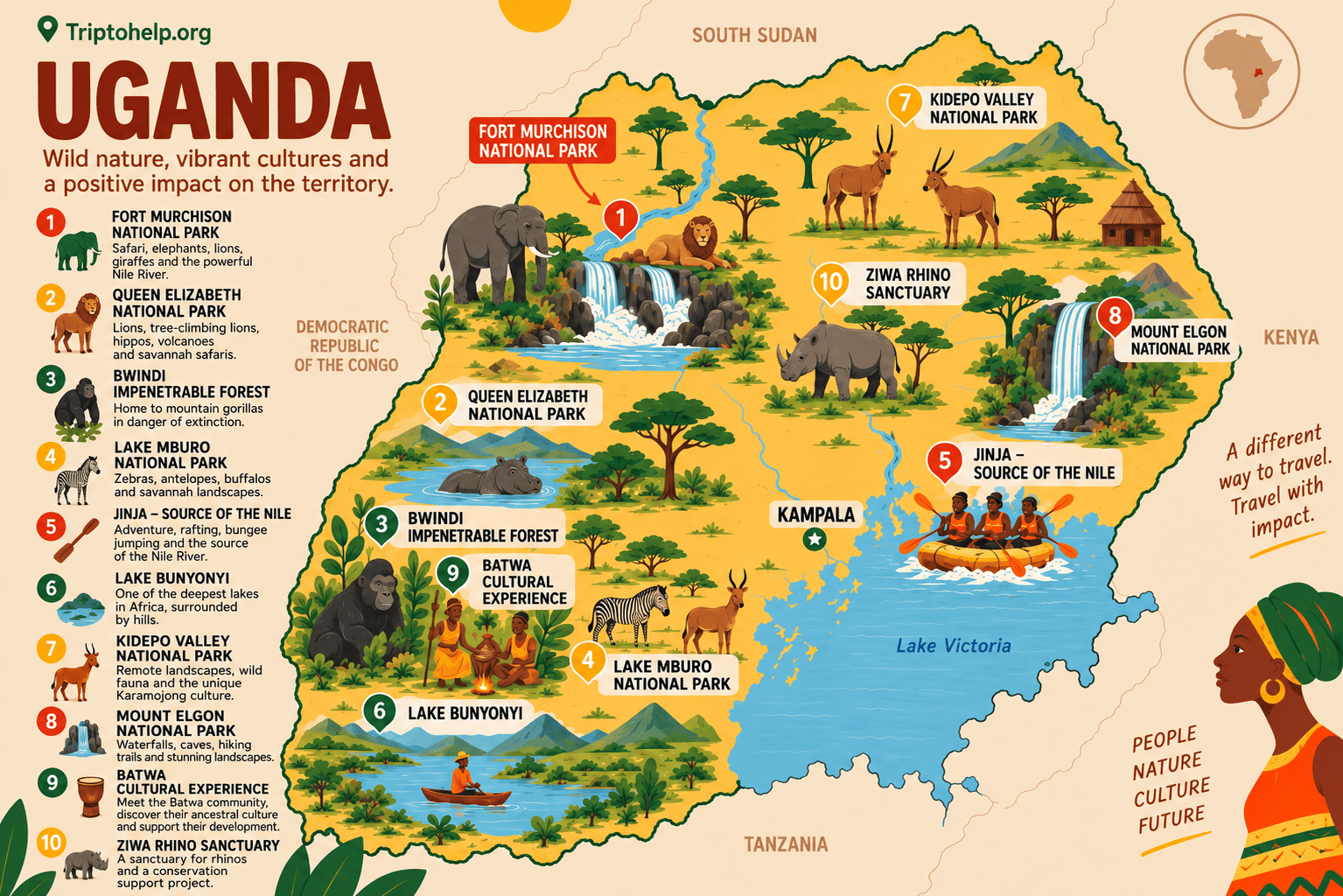
What makes Bwindi Impenetrable Forest special
Bwindi is a mountain forest with lush vegetation, steep slopes, and a great diversity of species.
Its ecological importance goes far beyond gorillas. It is a highly valuable ecosystem for the conservation of numerous animal and plant species.
Visits are regulated to minimize disturbance to the gorillas and limit the impact of tourism. Visitor groups are small, and excursions are accompanied by authorized personnel.
The goal is to allow observation of gorillas in their natural habitat without turning the encounter into an activity that unnecessarily alters their behavior.
Buhoma, the sector from which we trekked
Bwindi Impenetrable Forest is a unique mountain rainforest characterised by lush vegetation, steep slopes and an extraordinary diversity of wildlife and plant species.
Its ecological importance goes far beyond being home to mountain gorillas. This remarkable ecosystem plays a vital role in biodiversity conservation and provides a habitat for numerous endangered species.
Gorilla trekking visits are strictly regulated to minimise disturbance to the gorillas and reduce the environmental impact of tourism. Groups are kept small, and all treks are accompanied by authorised rangers and trackers.
The aim is to allow visitors to observe mountain gorillas in their natural habitat while minimising human interference and respecting their natural behaviour.
Mountain Gorillas and Their Natural Habitat
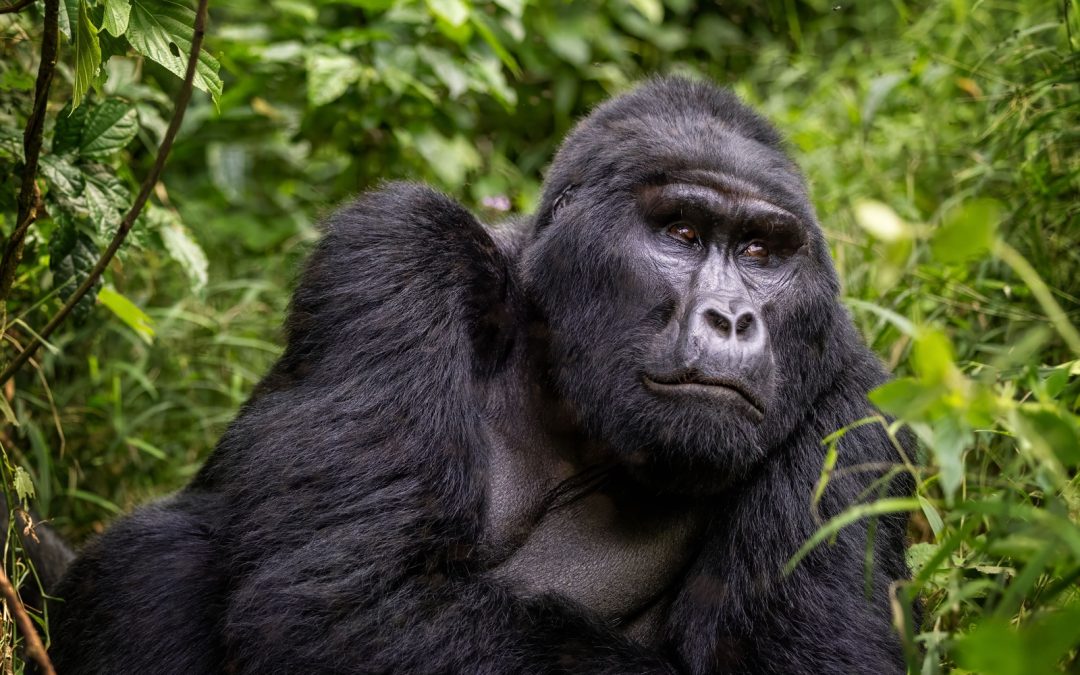
Mountain gorillas live in family groups, each with its own social structure and behaviours.
Observing these incredible primates in the wild offers a unique opportunity to understand how they interact with one another, what they feed on, and how they move through the dense forest.
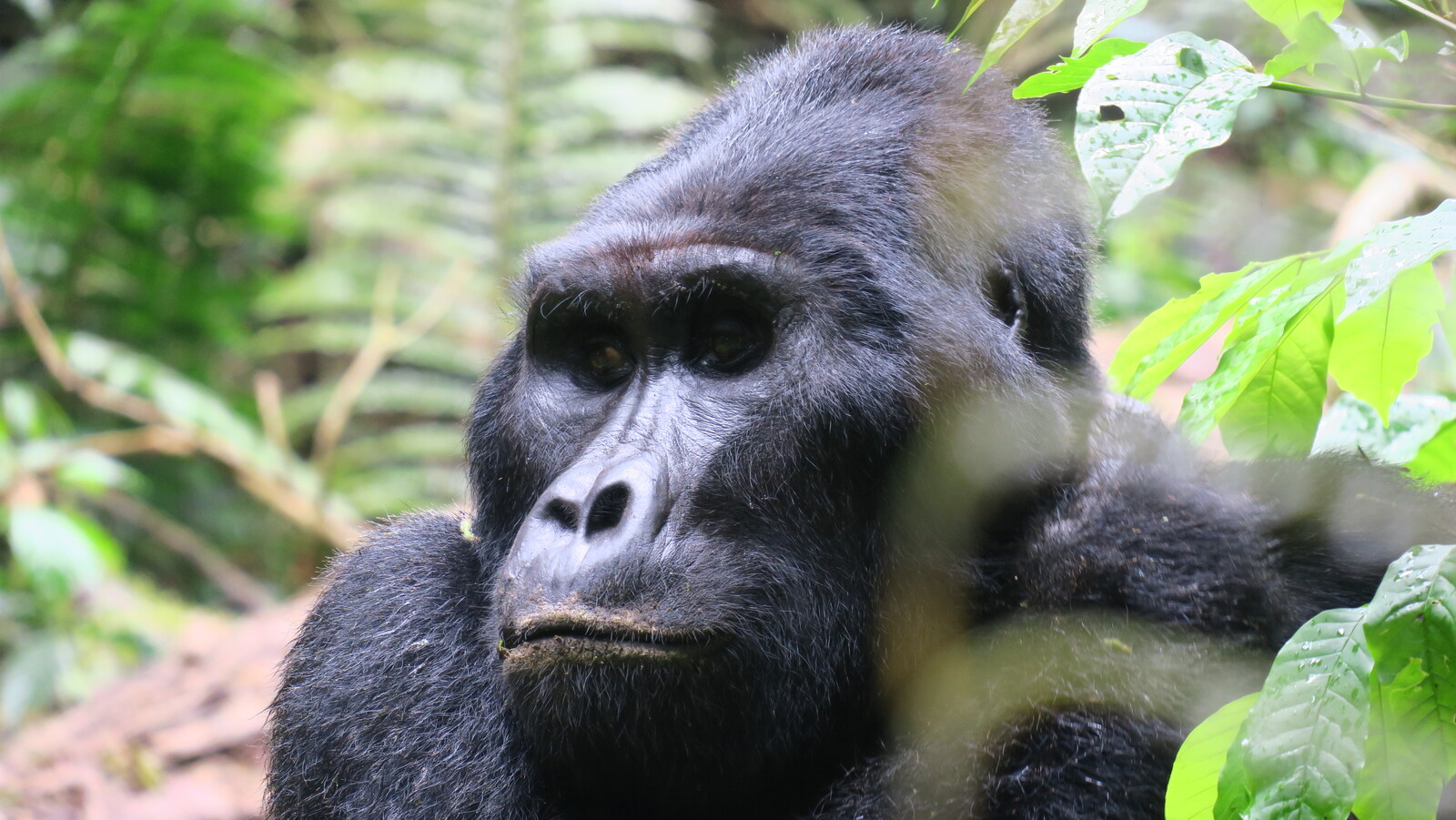
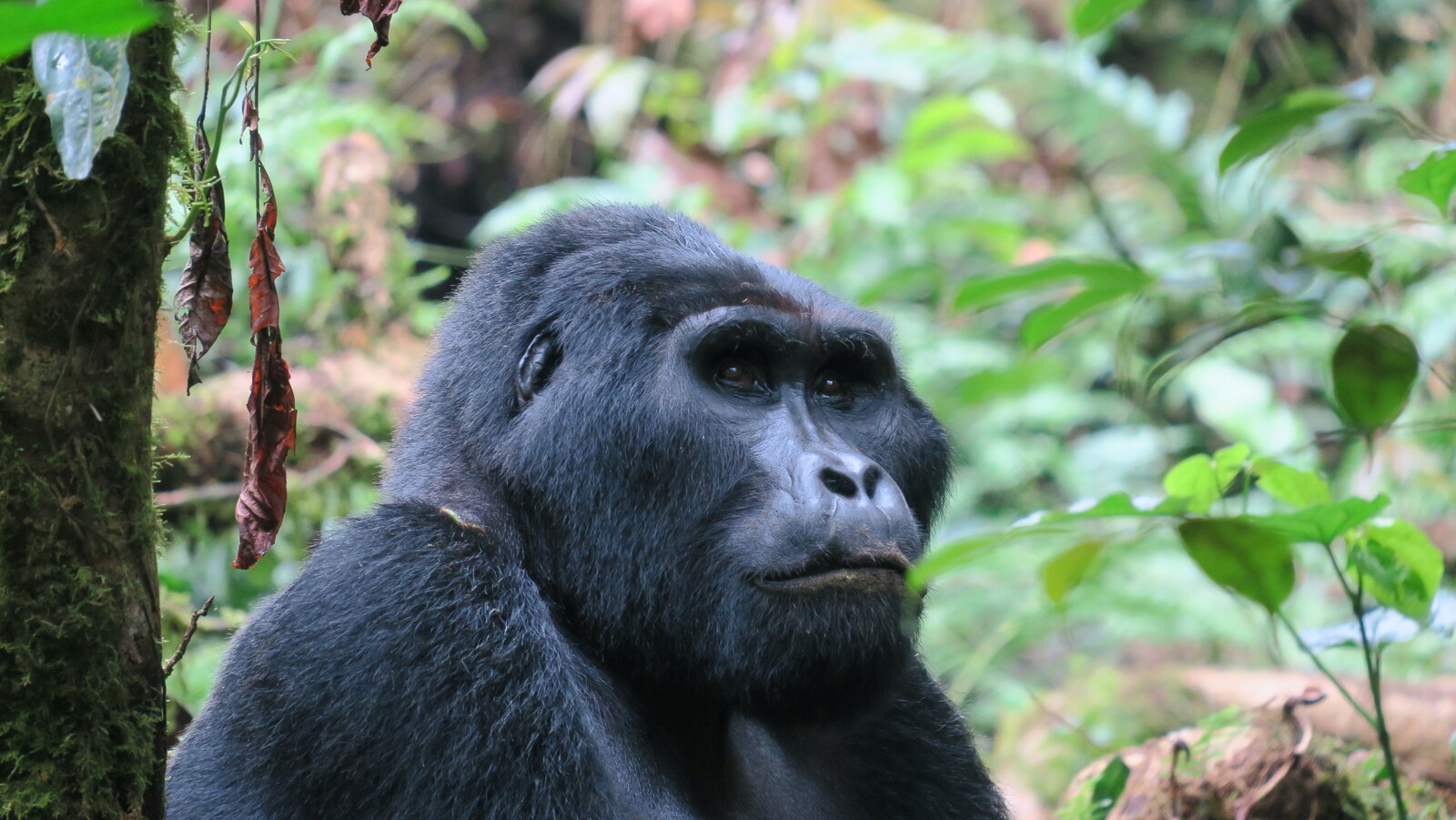
During our gorilla trekking experience in Bwindi, we witnessed several fascinating behaviours, including something we hadn’t expected: two future silverback males approached our group to mark their territory.
It was one of the most surprising and unforgettable moments of our entire experience.
How Much Does It Cost to See Gorillas in Uganda?
Gorilla trekking in Uganda requires some planning and a dedicated travel budget. The biggest expense is usually the gorilla trekking permit, which allows you to visit a mountain gorilla family in its natural habitat. You also need to factor in accommodation, transport and other travel expenses.
How Much Does a Gorilla Permit in Bwindi Cost?
During our trip, we paid $800 USD per person for the gorilla trekking permit.
We arranged the permit through our travel agency, and our local contact in Uganda took care of all the necessary arrangements.
This is the price we paid at the time of our visit. However, before planning your trip, we recommend checking the latest official rates, as permit prices and conditions may change.
A gorilla trekking permit is mandatory to take part in the experience. Since the number of permits available each day is limited, we strongly recommend booking well in advance, particularly if you plan to travel during the high season or have specific travel dates in mind.
What other expenses should you consider?
The gorilla trekking permit is not the only expense you should include in your budget.
To calculate the total cost of gorilla trekking in Uganda, you should also consider the following expenses:
- Gorilla permit: This is the main specific expense for the activity.
- Accommodation: Depends on the category of the establishment and its location.
- Transport to Bwindi: You need to calculate travel from the previous point on your itinerary.
- Local transfers: Additional transport may be needed to reach the starting point of your gorilla trekking experience.
- Porters: You might consider hiring one to help you with your backpack and on certain sections of the route, if this service is available (around $20 USD per porter).
- Other travel expenses: International flights, meals, additional activities, travel insurance and transfers, depending on your itinerary.
If you want to know how much it really costs to see gorillas in Uganda, the best approach is to calculate the budget for your entire trip rather than focusing solely on the gorilla permit.
How to get the trekking permit
You can organize your booking through Triptohelp, by contacting us directly via email or WhatsApp.
If you are planning a trip on your own, check directly with the park authority for booking conditions, availability, and current requirements.
In any case, we recommend not leaving this arrangement until the last minute. Permit availability is limited, and your travel dates may depend on it.
Who Cannot Go Gorilla Trekking in Uganda?
There are certain age and physical requirements to consider before booking a gorilla trekking experience in Uganda.
People with limited mobility: Gorilla trekking can be physically demanding, involving steep slopes, uneven terrain, dense vegetation and several hours of walking. It may therefore be challenging for elderly visitors or people with mobility limitations. However, alternative arrangements, such as sedan chairs carried by porters, may be available upon request.
Children under 15: The minimum age for gorilla trekking in Uganda is 15 years old. However, in some cases, children aged 13 or 14 may be granted a special permit, subject to approval by the Uganda Wildlife Authority (UWA). This can allow families with teenagers to enjoy the experience together.
How to Organize Your Gorilla Trekking in Uganda
The experience begins long before you enter the forest. Choosing the right accommodation, arranging transport and preparing the necessary gear will help you enjoy your gorilla trekking experience with greater peace of mind.
How to Get to Bwindi Impenetrable National Park
Bwindi Impenetrable National Park is located in southwestern Uganda. Getting there is usually part of a wider itinerary through the country and requires careful planning, especially when it comes to distances and driving times.
The journey time will depend on your starting point and which of Bwindi’s four trekking sectors you are heading to: Buhoma, Ruhija, Rushaga or Nkuringo.
If your itinerary includes other national parks in Uganda, we recommend planning your journey so that you arrive in the gorilla trekking area with enough time to rest before the trek.
Organizing all these logistics can be challenging, particularly if you are visiting several destinations. Our Uganda travel agency can help you plan your itinerary, arrange local transport and coordinate your gorilla trekking experience.
Where to Stay for Gorilla Trekking in Uganda
The best place to stay depends on which sector of Bwindi Impenetrable National Park your gorilla trekking permit is assigned to. Choosing accommodation close to your starting point will make the experience much easier, especially as trekking usually starts early in the morning.
We did our trek in the Buhoma sector, so finding suitable accommodation in this area was an important part of planning our visit.
We stayed at Ride 4 a Woman, an accommodation that is part of a social enterprise founded by a local woman. It’s one of those places you fall in love with, not because of its luxury, but because of its people.
During our stay, we could see first-hand the work they do to support local women and their communities. The accommodation also has a fair trade shop where you can buy locally handmade souvenirs and support their work.
As I write these lines, it makes me want to go back there!
If you’re planning a multi-day trip through Uganda, it’s also worth considering how your stay in Bwindi fits into the rest of your itinerary, particularly when travelling between national parks.
What to Prepare Before Your Gorilla Trekking Excursion
Gorilla trekking takes place in a natural environment that can be physically demanding. The vegetation is dense, and the terrain can be steep, muddy and slippery, especially after rainfall.
We recommend wearing hiking boots with good grip, comfortable clothing that covers your arms and legs, and waterproof gear. In my case, my guide lent me a pair of traditional knee-high PVC boots, similar to those worn by many of the park rangers. They turned out to be very practical for walking through the muddy forest.
If you need suitable footwear, these Decathlon waterproof boots could be a good option for gorilla trekking in Uganda.
It’s also a good idea to bring enough drinking water, some snacks to keep your energy levels up, and a comfortable backpack that won’t get in the way during the trek. Sturdy gardening or hiking gloves can also be useful when you need to hold onto vegetation for support.
The exact conditions will depend on the route and the weather on the day of your trek. Always follow the park staff’s recommendations regarding the most suitable clothing and equipment.
Our Gorilla Trekking Experience in Bwindi
Gorilla trekking in Uganda was one of the most memorable experiences of our trip through the country, alongside our safari in Queen Elizabeth National Park.
At around 8 AM, we gathered at the park entrance, where we were welcomed with a traditional dance performed by women from the Ride 4 a Woman organisation. Every day, a local community group performs for visitors, offering a first glimpse into the cultural side of the experience.
Afterwards, the park rangers gave us a briefing lasting around 20 minutes, explaining the trekking guidelines and what to expect in the forest. We were then divided into small groups. Each group can have a maximum of eight visitors and is assigned a gorilla family to track.
Once you’re there, you begin to understand just how important it is to protect this extraordinary place. Bwindi is a fragile ecosystem, and gorilla trekking needs to be carefully managed to prevent tourism from putting additional pressure on the forest and its wildlife.
Limiting the number of visitors helps minimise disturbance to the gorillas and their natural habitat. The gorilla permits also contribute to conservation efforts and provide financial benefits to local communities through community development initiatives and social services.
The number of permits available each day is limited and depends on the number of habituated gorilla families and the trekking sectors operating at the time. Bwindi has four main trekking sectors:
- Buhoma
- Rushaga
- Ruhija
- Nkuringo
Each sector has its own gorilla families and accommodation options, which is why choosing the right starting point is an important part of planning your trek.
The Adventure Begins in Buhoma
We started our gorilla trekking adventure from the Buhoma sector of Bwindi Impenetrable National Park. Our group consisted of six people: five adults and a 13-year-old girl travelling with her parents. Although the minimum age for gorilla trekking in Uganda is normally 15, her family had managed to obtain a special permit allowing her to join the trek.
There was a real sense of anticipation from the very beginning. We knew we were entering the natural habitat of mountain gorillas and that we would need to follow the instructions of the experienced rangers and trackers accompanying us.
Once the trek began, it quickly became clear that this was much more than a simple walk through the forest. The dense vegetation, steep slopes and uneven terrain meant that we had to watch every step and pay close attention to where we were going.
Over Three Hours Searching for Gorillas in the Forest
Our gorilla trekking experience lasted five hours in total. We spent more than three hours searching for the gorillas, accompanied by rangers and trackers. These trackers are local experts who head into the forest early in the morning to locate the gorilla families and communicate their movements to the trekking teams.
Mountain gorillas move freely through the forest, so they are not always in an easily accessible location. Depending on where the family is that day, the trek can involve several hours of walking through dense vegetation and challenging terrain.
The search itself is part of the adventure. And after spending so much time walking through the forest, finally coming face-to-face with a mountain gorilla family makes the encounter even more rewarding.
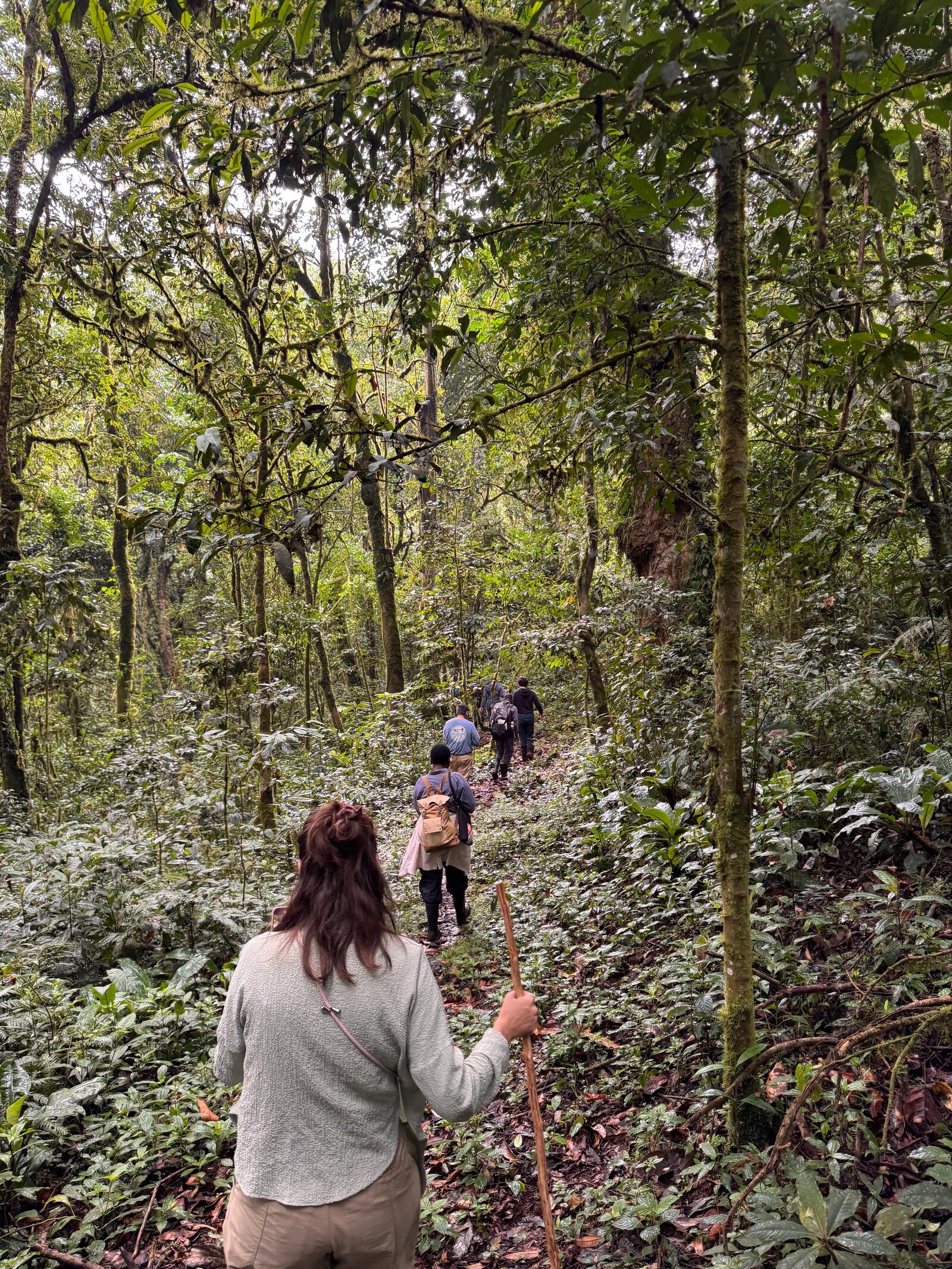
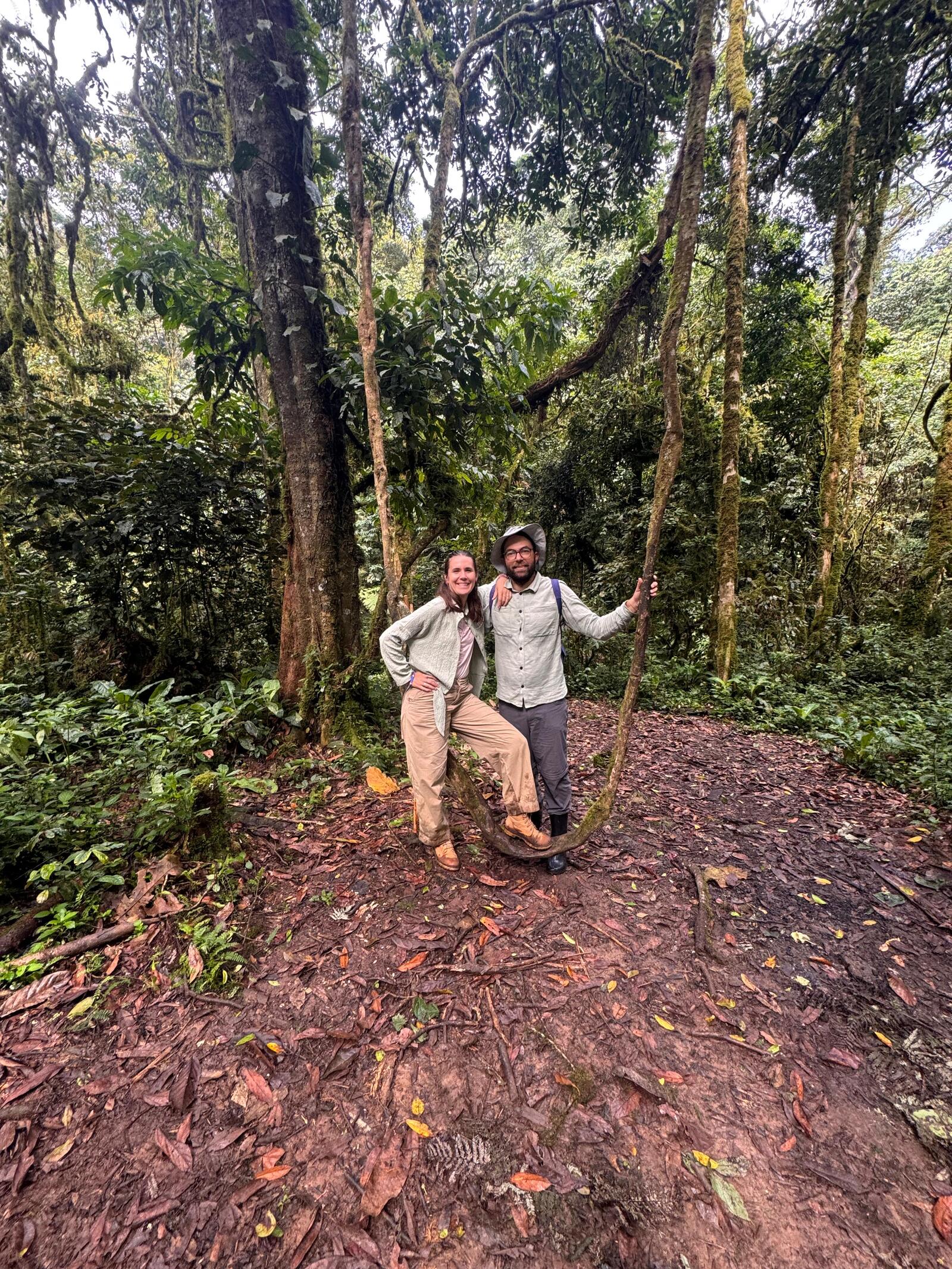
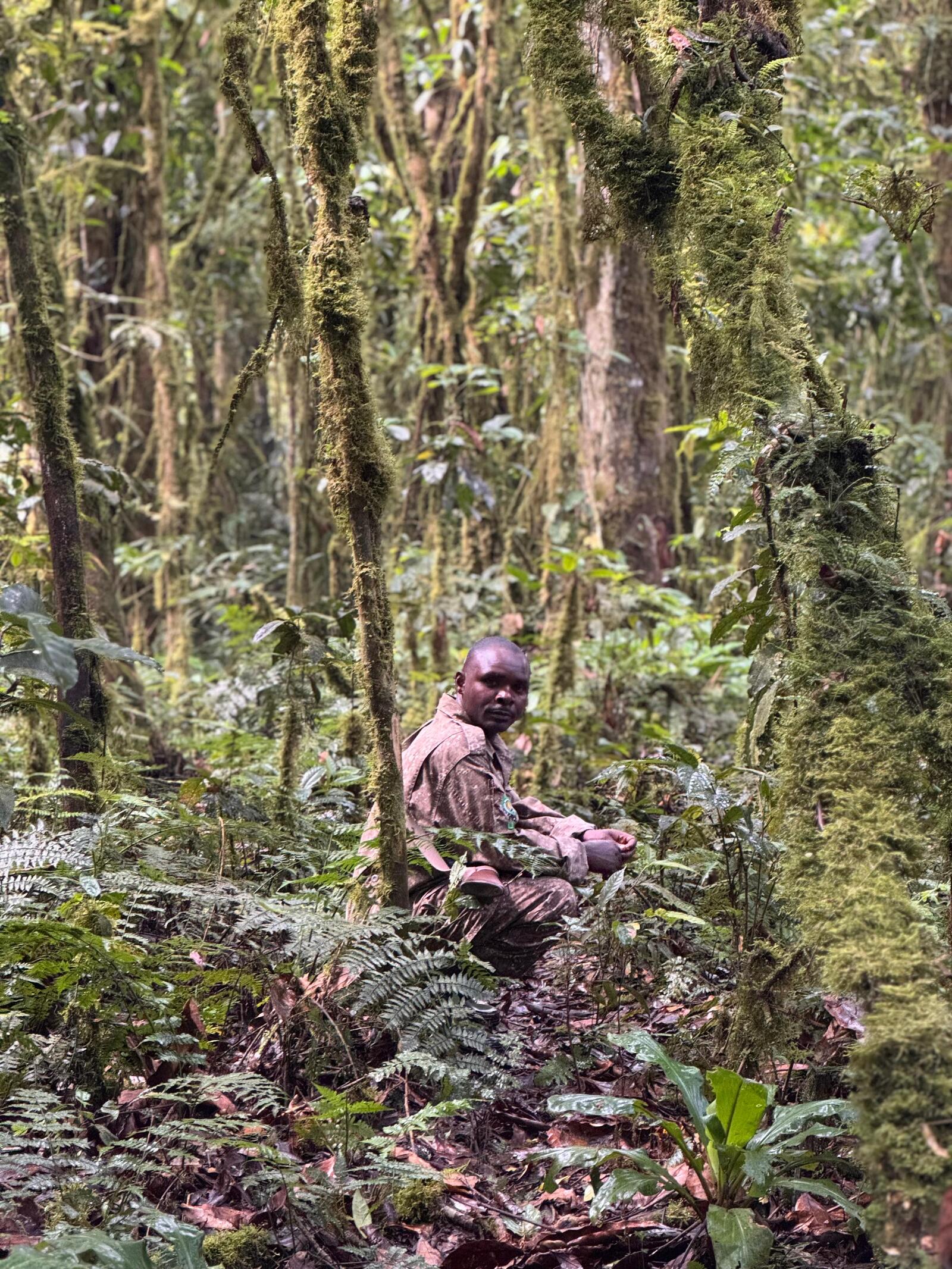
During those hours, we had to stop for almost an hour while waiting for updates from the trackers. The gorillas had started moving through the forest, and since they can move much faster than we can, the trackers wanted to avoid sending us on an unnecessary detour.
Once the gorilla family stopped again to feed and rest, the trackers informed our rangers, and we continued making our way through the forest towards them.
When we finally came face-to-face with the gorillas, all the nerves and anticipation gave way to a feeling that is difficult to put into words.
The Role of Rangers and Trackers During Gorilla Trekking
Rangers and trackers play an essential role in making gorilla trekking in Uganda possible and ensuring that visits are carried out responsibly.
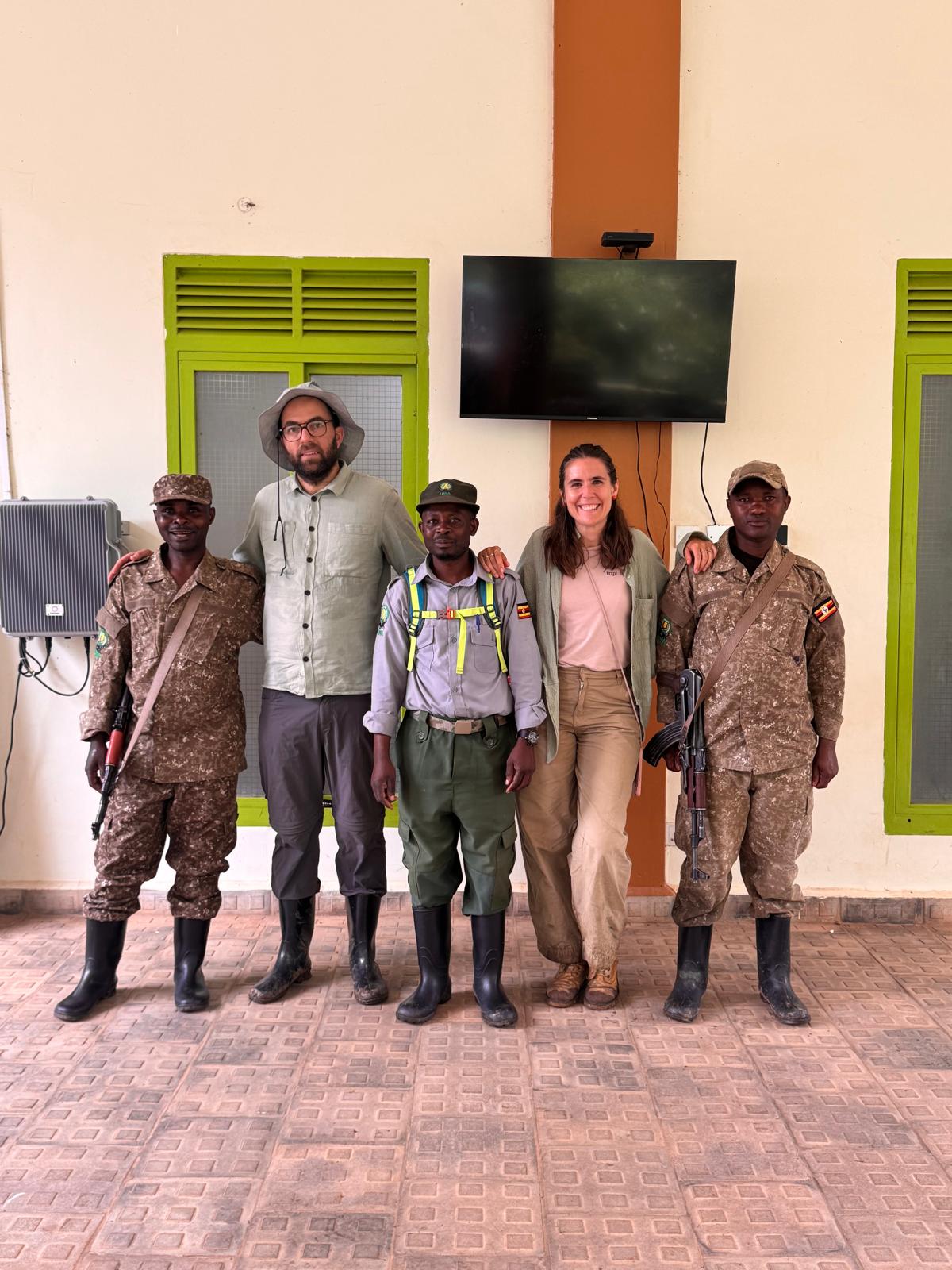
Trackers head into the forest early in the morning to locate the gorilla families and monitor their movements. Rangers accompany visitors during the trek, guide them through the forest and ensure that everyone follows the park’s rules and safety guidelines.
They also explain how to behave when encountering mountain gorillas, helping minimise human disturbance and protect both visitors and animals.
In our case, their knowledge of the forest and constant communication were essential in finding the gorillas after several hours of searching.
Their work goes far beyond simply locating the animals. They make it possible to experience these incredible primates in their natural habitat while respecting the conservation protocols established by the park.
The Nerves and Excitement of Our First Gorilla Encounter
The moment we first spotted the gorillas was filled with nerves, emotion and excitement.
After spending hours searching for them deep in the forest, suddenly, there they were, right in front of us.
Seeing mountain gorillas in the wild, in their natural habitat, is completely different from watching them in photographs or documentaries. You can observe their movements up close, the way they interact with one another, and the calmness with which they go about their daily activities.
But what surprised us most was still to come…
This Is How Our Encounter with Mountain Gorillas Unfolded
Once the gorillas had been located, the most exciting part of the experience began.
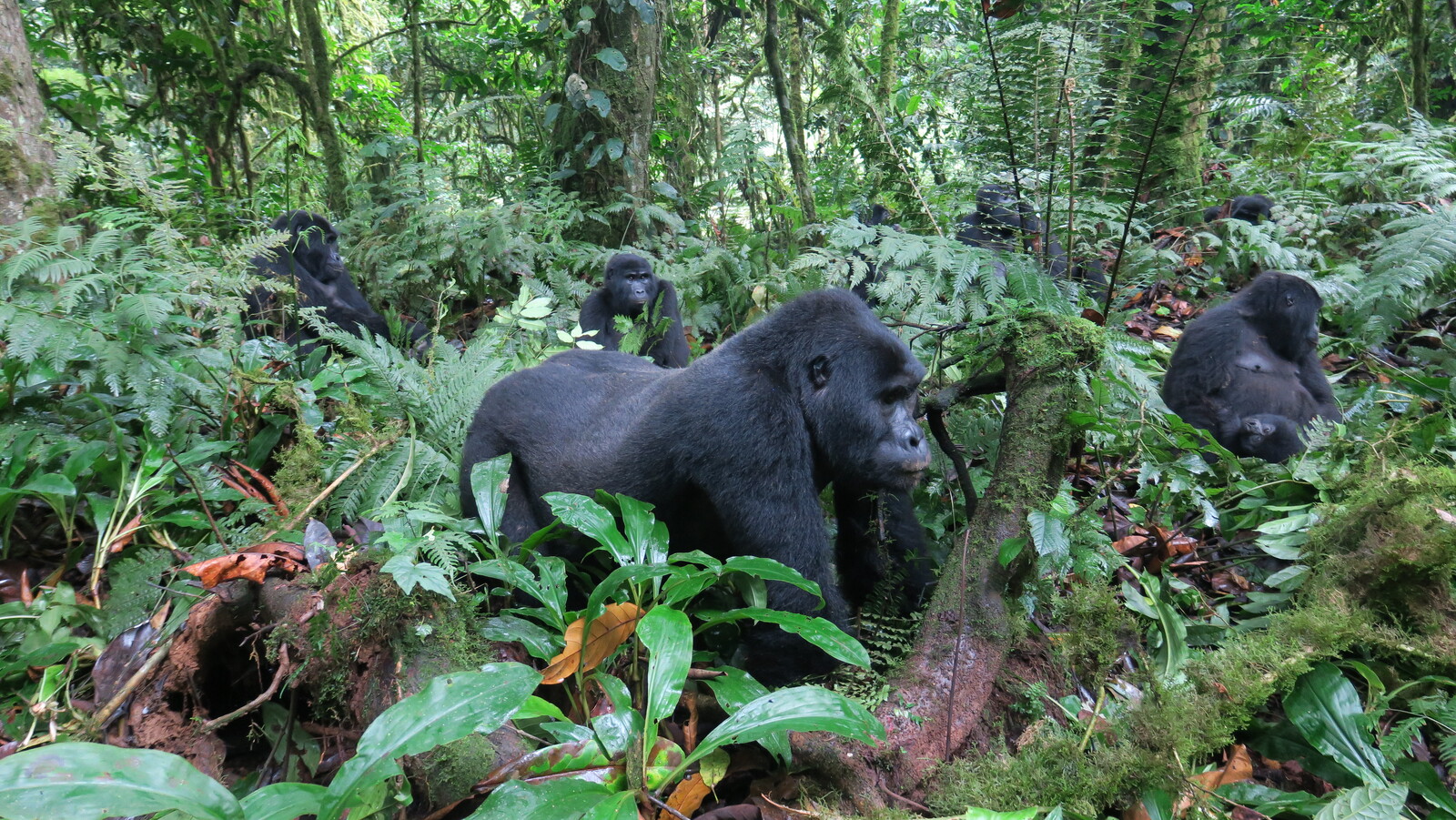
A family of mountain gorillas was right in front of us, and we could observe their behaviour as they moved freely through the forest.
But something happened that we hadn’t expected at all.
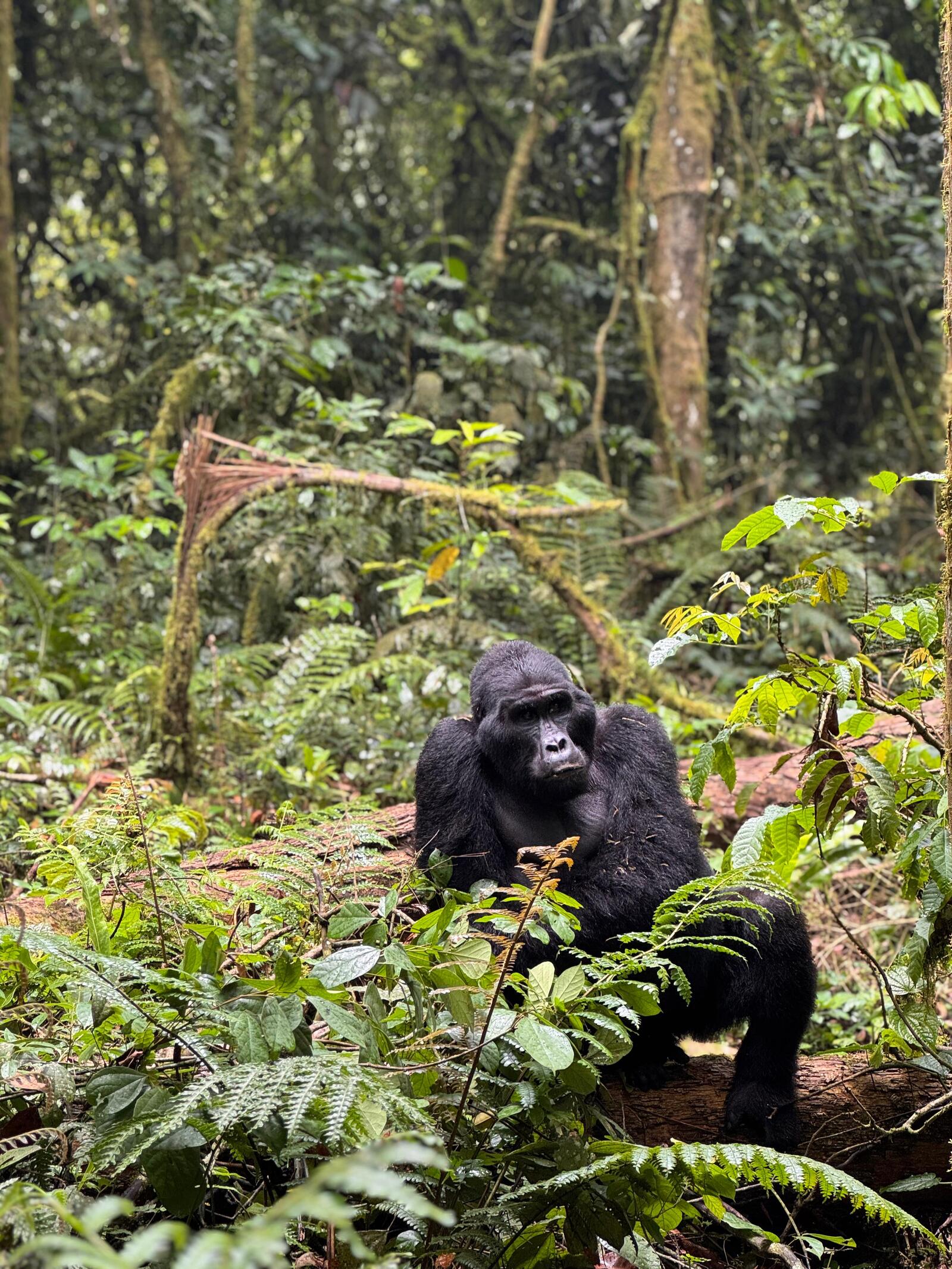
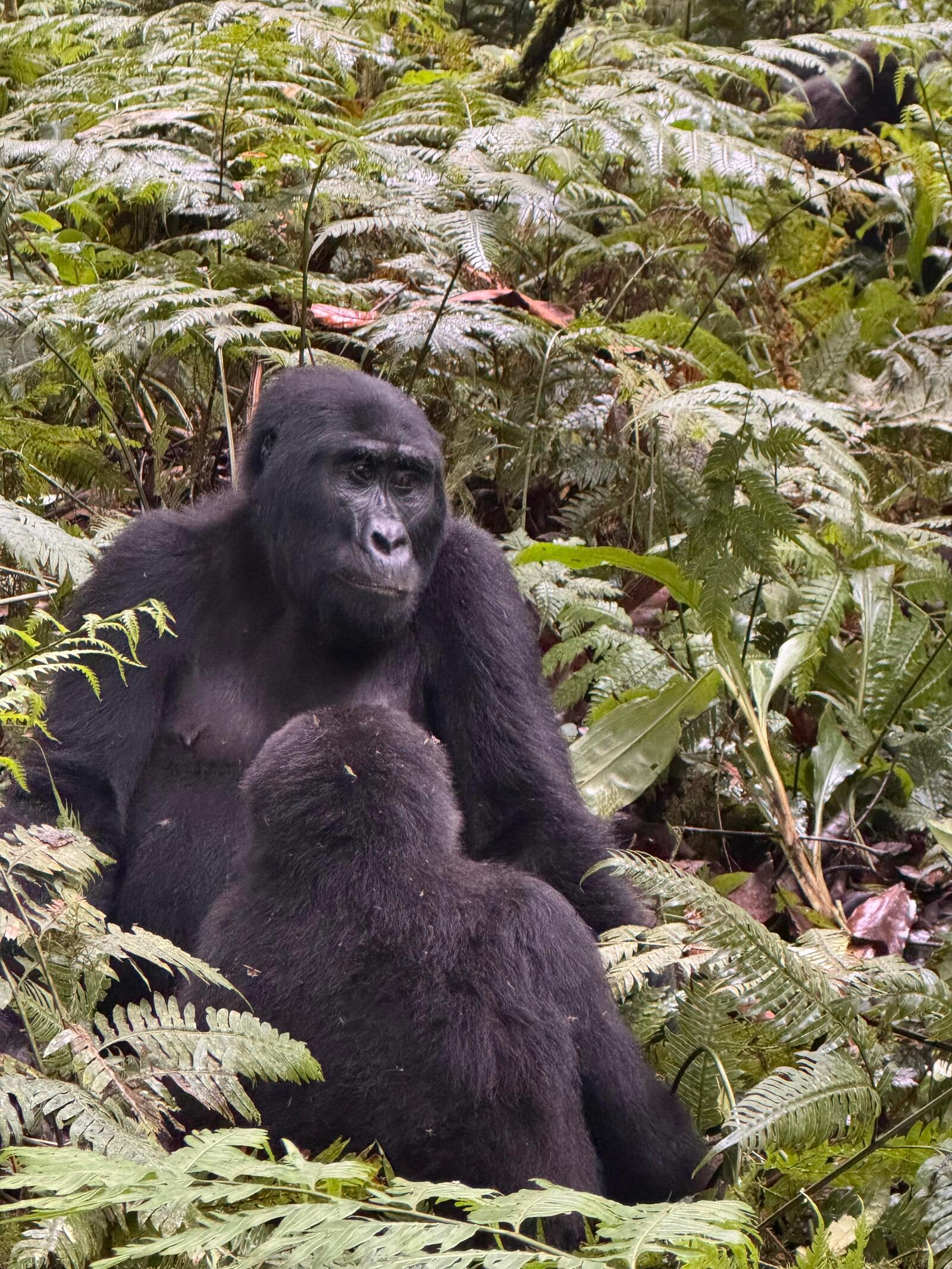
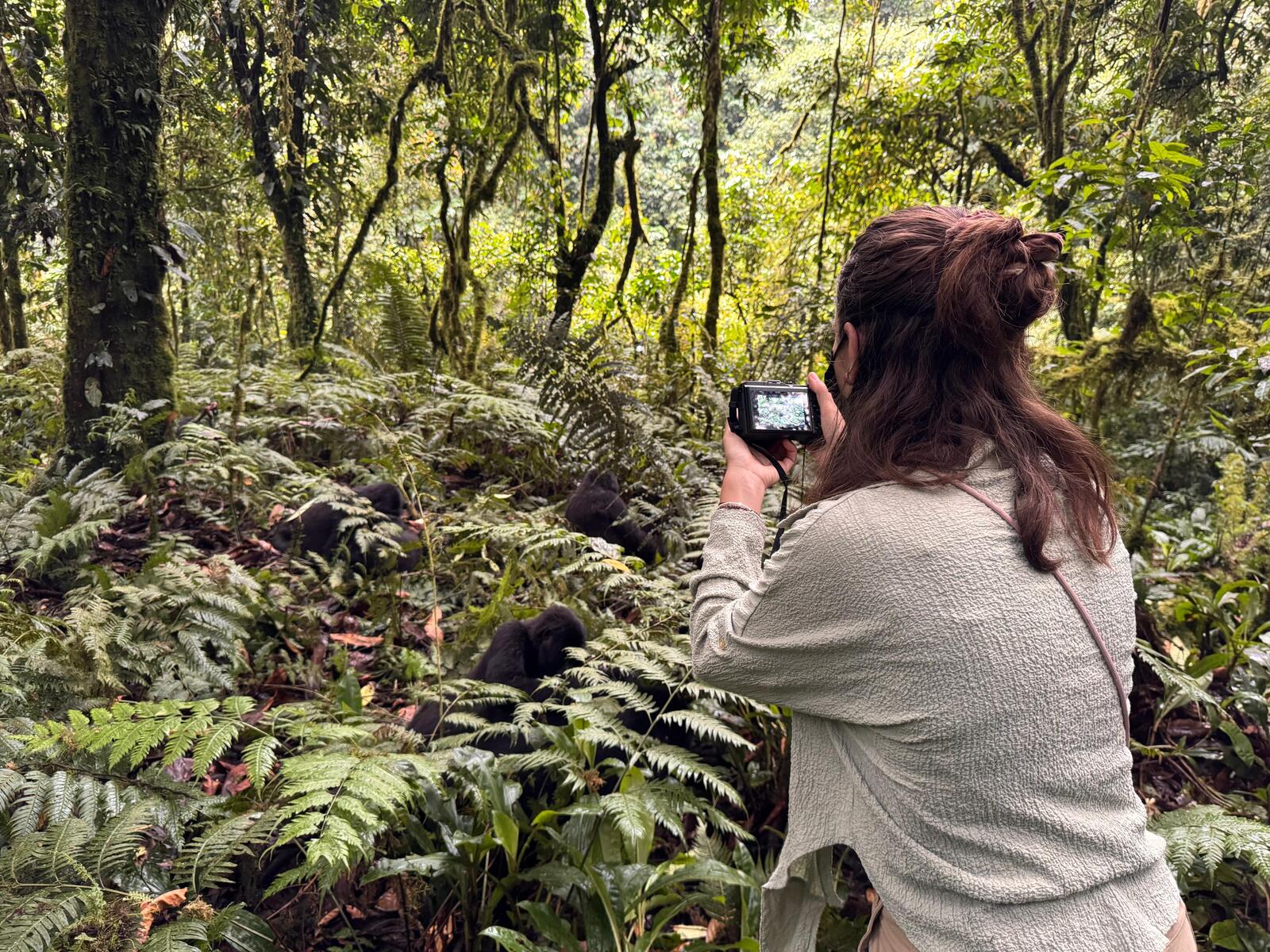
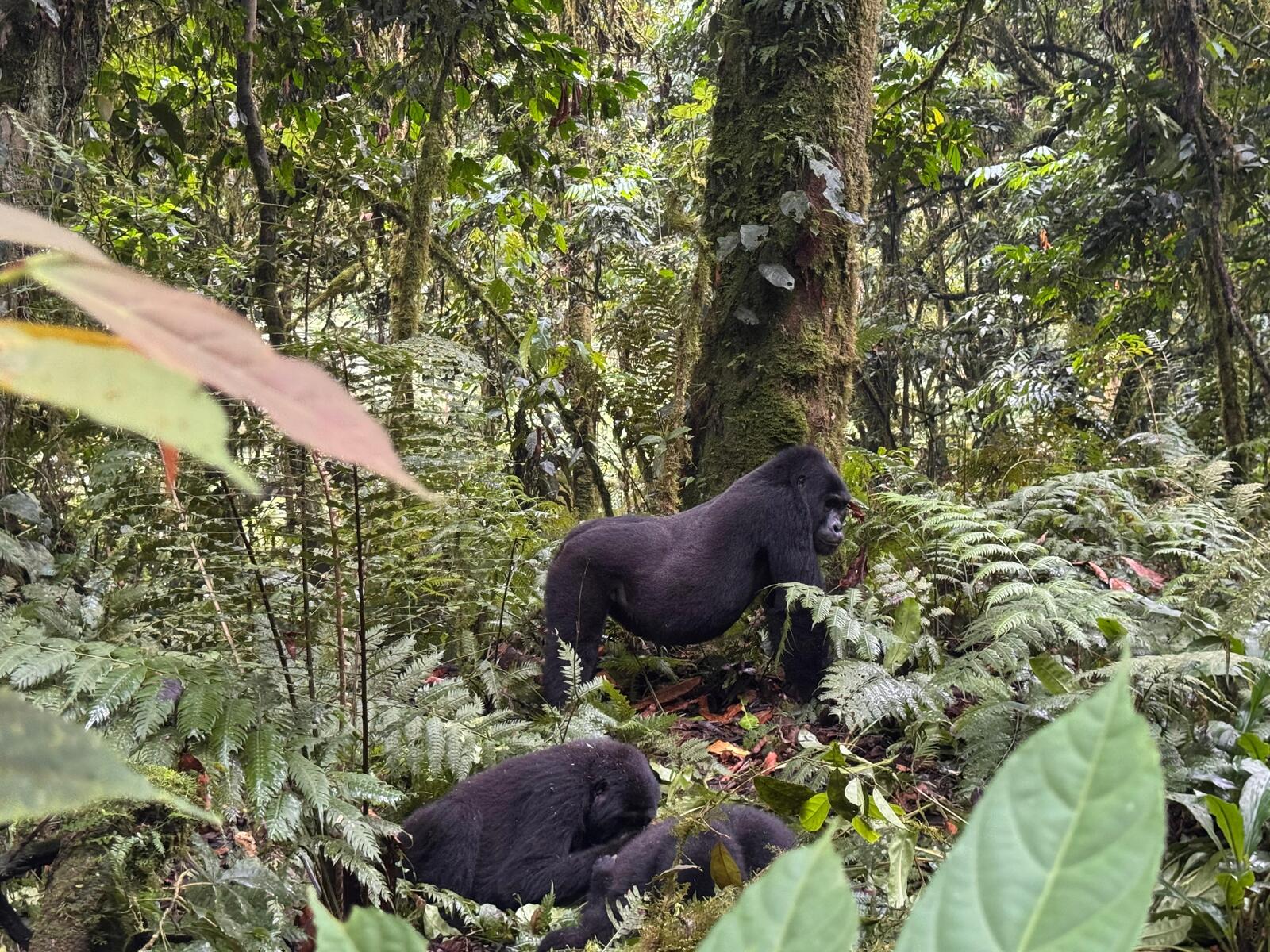
Two Silverbacks Approached Us to Mark Their Territory
During our encounter, two dominant males approached our group to mark their territory.
First, one of them came running towards us from behind the bushes. I was obviously scared, but I couldn’t move. The young dominant male stopped right in front of us, giving us a close-up view of his incredible strength, broad back and enormous size.
Neither he nor we made direct eye contact. We had been told that staring directly at a gorilla could be interpreted as a challenge, potentially creating a dangerous situation. Fortunately, neither of us seemed interested in escalating things.
The gorillas remained calm, and the dominant silverback initially did not react. After a few minutes, the male moved away. The truth is that we had seen him from less than two metres away, in all his impressive splendour.
But what we couldn’t have imagined was that, just a few minutes later, another silverback would do exactly the same thing.
Suddenly, he stood up and came running towards us. At that moment, all sorts of thoughts went through my mind. Above all, I was surprised that nobody had warned us that we might witness gorillas approaching visitors to mark their territory.
Experiencing something like that without knowing it could happen makes it even more astonishing.
And then I saw the ranger making a particular sound to calm the silverback down. Honestly, I didn’t know what to think. Was this normal? Were we in danger? Was everything under control?
I had absolutely no idea. I just stood there, watching, trying to understand what was happening.
This experience reminded us that, although mountain gorillas are habituated to human presence during regulated visits, they are still wild animals. Their behaviour is unpredictable, and we should never take their calmness or proximity to humans for granted.
How the Gorilla Family Reacted
One of the things that struck us most was being able to observe the gorillas as they went about their daily activities.
They weren’t there for us. We were simply visitors who had entered their natural habitat and been given a limited amount of time to observe them.
During the encounter, the dominant silverback initially remained calm. After a while, he started making a series of sounds, prompting the other gorillas to stand up and move away from the area.
It was fascinating to see how the family responded to his signals and how the group moved together through the forest.
Following the Gorillas Through the Forest
After spending some time observing the family, the gorillas moved towards another area of the forest, and we followed them under the guidance of the rangers.
The dense vegetation makes it difficult to keep track of their movements at all times. Sometimes you can spot them moving between the leaves and branches, while at other times they emerge into more open areas, giving you a clearer view of them.
This constant combination of searching, observing and moving through the forest is all part of the gorilla trekking experience. You never quite know what will happen next, which makes every moment unique.
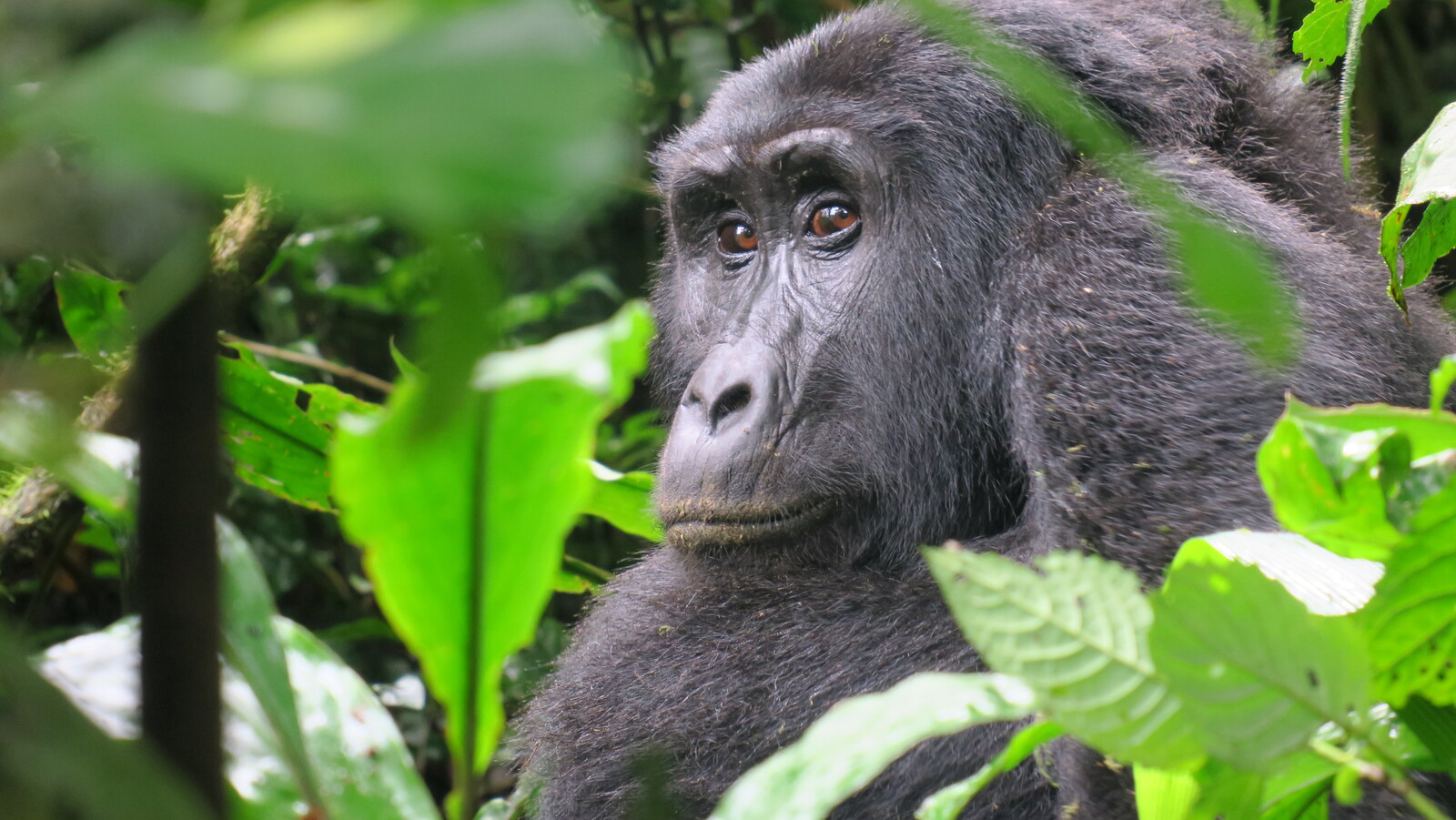
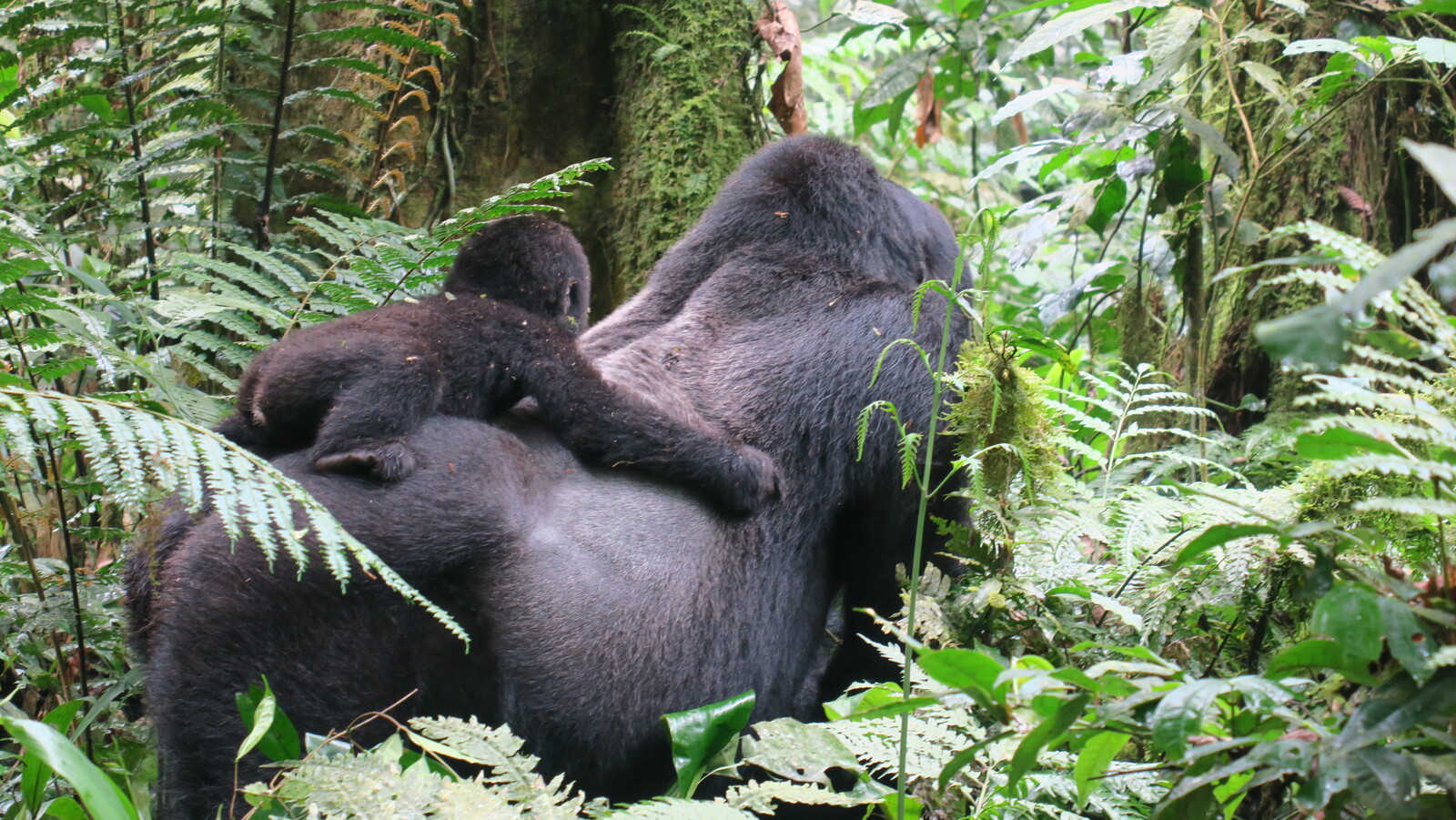
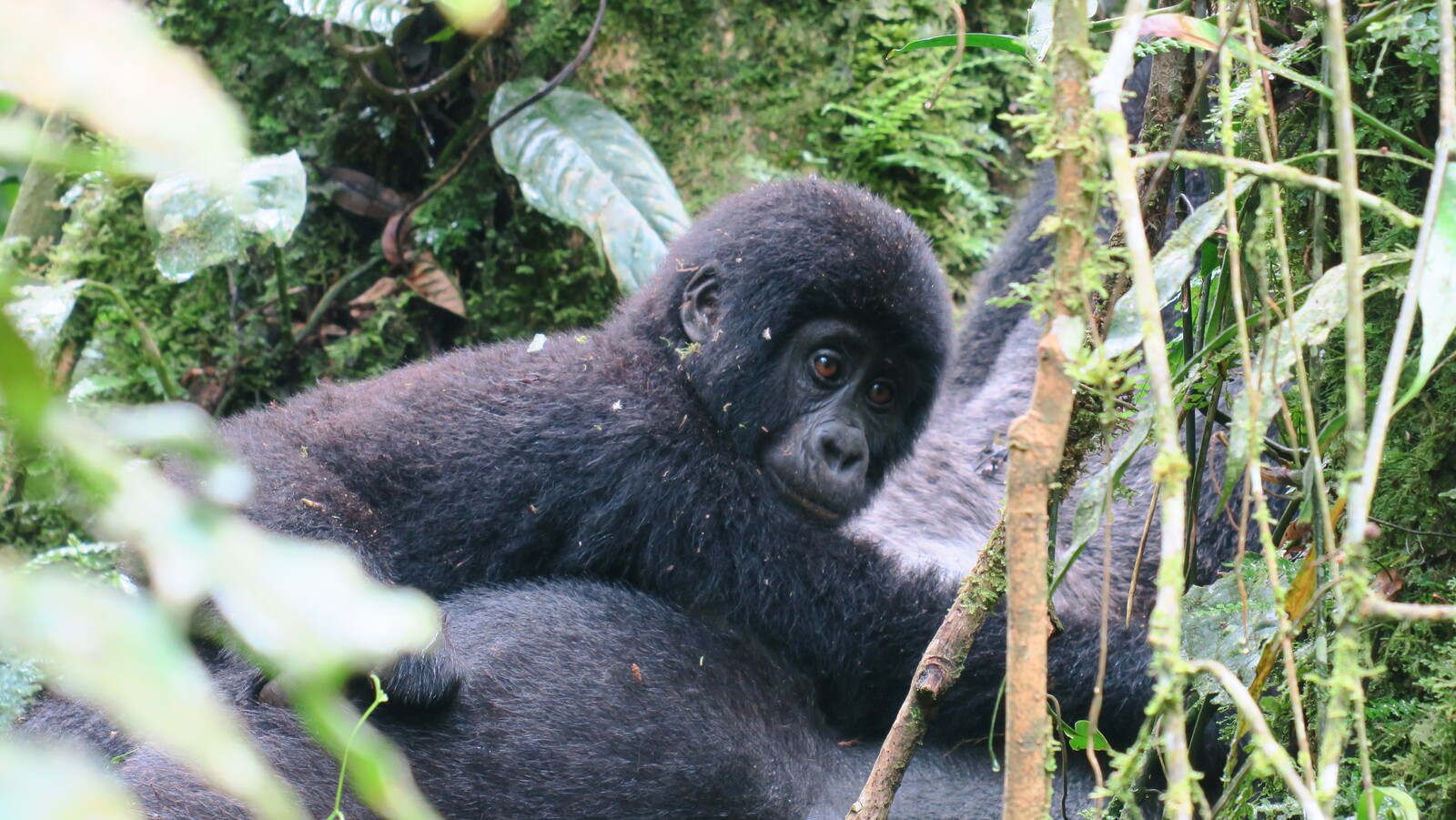
The Dominant Silverback and His Daughter Climbed the Trees
Another moment that really stayed with us was watching the dominant silverback and his daughter climb the trees.
Seeing the gorillas moving through the vegetation and interacting with each other gave us a much better understanding of how they use their natural environment and go about their daily lives.
By the end of the trek, we hadn’t just experienced the thrill of seeing mountain gorillas in the wild. We had also witnessed several fascinating behaviours during a single encounter.
When our one-hour visit came to an end, it was time to leave the gorilla family and return through the forest. Raquel was visibly emotional after everything we had witnessed. It had been an unforgettable experience.

The Batwa of Bwindi: The Other Side of Conservation
Bwindi Forest is not only home to mountain gorillas. It is also the ancestral homeland of the Batwa people, an indigenous community that was displaced from the forest following its designation as a protected area. As a result, the Batwa lost access to their traditional lands and much of their ancestral way of life.
When visiting Uganda, we believe it’s important to learn about this history and reflect on the relationship between wildlife conservation, tourism and the rights of local communities.
Conservation is essential to protecting endangered species and their habitats, but it’s equally important to understand how these policies affect the people who have historically lived in these areas.
Discover the history of the Batwa people in Uganda and the challenges of responsible tourism.
Nature Conservation and Indigenous Community Rights
The conservation of Bwindi Impenetrable National Park is essential to protecting mountain gorillas and preserving the forest’s extraordinary biodiversity. However, it is equally important to acknowledge the social consequences that some conservation measures have had on the communities historically connected to this land.
Tourism can play an important role in supporting conservation efforts and generating income for local communities. For this contribution to have a genuinely positive impact, it is essential to ensure that the benefits are fairly distributed and that local people have a meaningful role in tourism-related decisions.
Learning about the history of the Batwa adds another important dimension to a visit to Bwindi. It reminds us that protecting nature and respecting the rights, culture and livelihoods of indigenous communities must go hand in hand.
Tips for Gorilla Trekking in Uganda
If you’re planning to see mountain gorillas in Uganda, there are several important things to consider before your trip. From the physical demands of the trek to the clothing you should wear and how to behave around the gorillas, being prepared will help you make the most of this unique experience.
How Long Does Gorilla Trekking Take and How Difficult Is It?
The duration of a gorilla trekking excursion depends mainly on the location of the gorilla family and the trail conditions on the day.
In our case, the trek lasted five hours in total, including more than three hours searching for the gorillas.
The terrain in Bwindi can be steep, uneven, muddy and slippery. It’s therefore advisable to have a reasonable level of fitness and be comfortable walking for several hours in a challenging natural environment.
Not all gorilla treks are the same. The distance, duration and difficulty can vary considerably depending on the assigned gorilla family, its movements and the weather conditions.
What to Wear for Gorilla Trekking in Bwindi
Choosing the right clothing and footwear is essential for a comfortable trek through Bwindi Impenetrable Forest.
We recommend wearing comfortable, durable clothing, preferably long-sleeved shirts and long trousers to protect your arms and legs from vegetation and insects.
Hiking boots with good grip are particularly important, as the terrain can be muddy, steep and slippery.
A waterproof jacket is also useful because the weather in the tropical forest can change quickly. Sturdy gloves can protect your hands when moving through dense vegetation or holding onto branches for support.
Finally, remember to bring enough drinking water, a small backpack, some snacks and a face mask, as required under the park’s current gorilla trekking guidelines.
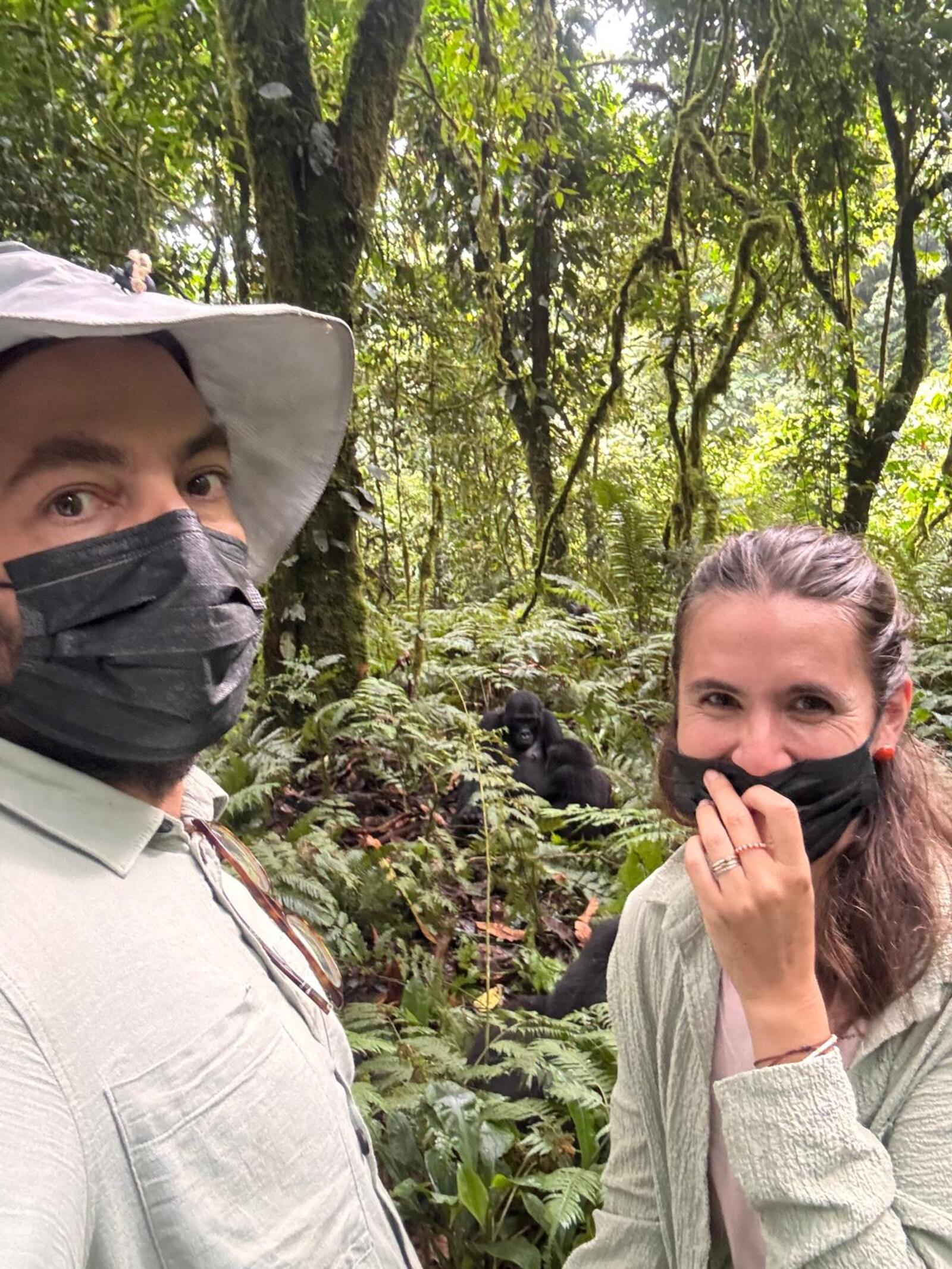
What You Should Know About Mountain Gorilla Behaviour
During your encounter with mountain gorillas, it’s essential to follow the rangers’ instructions and respect all the park’s regulations.
Although habituated to human presence, gorillas are still wild animals. You should never approach them on your own initiative, attempt to touch them, block their path or make direct eye contact, particularly with dominant silverbacks.
If a gorilla approaches you, the most important thing is to remain calm, avoid sudden movements and follow the instructions of the rangers accompanying your group. Never try to attract the gorillas’ attention or interfere with their natural behaviour.
Visitors must also respect the minimum viewing distance established by the park authorities. However, gorillas sometimes approach visitors themselves. If this happens, stay calm and let the rangers guide you on how to react. They are trained to manage these situations safely while minimising disturbance to the animals.
Is Seeing Gorillas in Uganda Worth It?
From our experience, gorilla trekking in Uganda was one of the most memorable experiences of our trip.
Not just because we finally found the gorillas, but because of everything that happened throughout the day: the hours spent searching through the forest, the excitement of the first encounter, the unexpected behaviour of the two silverback males, and the opportunity to observe the family as they moved freely through their natural habitat.
We also believe that visiting Bwindi offers an opportunity to understand the deeper relationship between wildlife conservation, local communities and the land they have historically called home.
If you’re planning this experience, we recommend preparing well in advance, finding out about the trekking conditions and approaching the encounter with respect for both the animals and the people living in the region.
Seeing mountain gorillas in the wild is an extraordinary privilege, but it also comes with a responsibility: ensuring that every visit respects the rules established to protect these incredible animals, their habitat and the communities connected to it.
What to Consider Before Organizing Your Gorilla Trekking Trip
Before planning your gorilla trekking experience in Uganda, there are a few important things to keep in mind:
Prepare for the trek: Make sure you have suitable footwear, waterproof clothing, enough water and a reasonable level of physical fitness.
Book your permit in advance: Gorilla trekking permits are limited and can sell out quickly, especially during the peak travel season (June to September).
Check the minimum age requirement: Children under 15 are generally not allowed to participate in gorilla trekking. However, parents travelling with children aged 13 or 14 can apply for a special permit, subject to approval by the Uganda Wildlife Authority.
Choose your trekking sector carefully: Bwindi has four main sectors: Buhoma, Ruhija, Rushaga and Nkuringo. Your accommodation and transport arrangements should be planned around the sector assigned to your permit.
Frequently Asked Questions About Gorilla Trekking in Uganda
How Much Does It Cost to See Gorillas in Uganda?
The cost depends on several factors, including the gorilla trekking permit, accommodation, transport and other travel services.
During our visit, we paid $800 USD per person for the gorilla permit. Before booking your trip, check the latest official rates and calculate the total budget, including accommodation and transport.
How Many Hours Does Gorilla Trekking Last?
The duration depends on the location of the gorilla family and the terrain conditions on the day.
In our experience, the trek lasted five hours in total, with more than three hours spent searching for the gorillas.
Is Gorilla Trekking in Bwindi Difficult?
Gorilla trekking in Bwindi can be physically demanding. The terrain is uneven, with steep slopes, dense vegetation and potentially muddy or slippery trails.
The difficulty varies depending on the route and the location of the gorilla family. Good hiking footwear and a reasonable level of physical fitness are recommended.
If you’re comfortable walking for several hours and enjoy hiking in mountainous environments, you’ll be better prepared for the experience.
What Is the Best Time to See Gorillas in Uganda?
Gorilla trekking is possible throughout the year in Uganda. However, the drier periods, generally from June to September and December to February, tend to offer more favourable trekking conditions.
During the wetter months, trails can become muddier and more slippery. Nevertheless, weather conditions in Bwindi’s tropical mountain forest can change at any time.
How Long Can You Spend with the Gorillas?
Visitors are generally allowed to spend one hour with the gorilla family, starting from the moment they first encounter them.
This time is strictly regulated to minimise disturbance to the animals. Always follow the instructions of your rangers and check the current regulations when booking your permit.
Is Gorilla Trekking in Uganda Safe?
Gorilla trekking is a regulated activity carried out with authorised rangers and trackers who accompany visitors throughout the experience.
However, mountain gorillas are wild animals, and their behaviour can be unpredictable. It is essential to respect the park’s rules, maintain the required viewing distance and follow the rangers’ instructions at all times.
Can You Visit the Batwa After Gorilla Trekking?
Yes. There are cultural experiences involving Batwa communities in the Bwindi region.
Whether you can visit on the same day will depend on the duration of your trek, the location of the activity and the available schedules. If you’re interested in learning about Batwa history and culture, we recommend arranging the visit in advance.
Key Takeaways: Gorilla Trekking in Uganda
- An unforgettable wildlife experience: Bwindi Impenetrable National Park is one of the best-known places to see mountain gorillas in their natural habitat.
- Plan your budget: A gorilla trekking permit is required. We paid $800 USD per person, although prices may change.
- Allow enough time: Our trek lasted five hours, including more than three hours searching for the gorilla family.
- Be prepared: The terrain can be challenging, so suitable clothing, hiking boots and reasonable physical fitness are important.
- Respect wildlife and local communities: Follow the conservation guidelines and take the opportunity to learn about the history of the Batwa people..
Other articles of interest
- Gorilla Trekking in Uganda: Our Experience in Bwindi
 Gorilla trekking in Uganda is one of those experiences that’s hard to imagine until you’re right there with them. Venturing into the tropical forest, walking for hours in search of a mountain gorilla family, and coming face-to-face with these impressive primates is an unforgettable experience. In our case, we did the trek in Bwindi Impenetrable…
- Safari in Queen Elizabeth Park, Uganda
 The safari we experienced in Queen Elizabeth National Park, Uganda, was probably the most complete and memorable part of our trip to Uganda. We spent two nights in the park, and during those two days, we enjoyed three different activities: Combining these three activities, together with a memorable lunch overlooking the park, made this one…
- Samburu Safari: a guide to discovering one of Kenya’s best reserves
 Why go on a safari in Samburu? Samburu National Reserve is ideal if you want to go on safari in a reserve with very little tourism. Its location, far from the Masai Mara, means many people choose not to go. That keeps visitor numbers low, and it’s also a place where you can see animal…
- Safari in Murchison Falls: our experience in Uganda’s national parkMurchison Falls is much more than a waterfall. This national park, in northern Uganda, combines sweeping savannah landscapes, wildlife, the Nile River, and falls that truly impress when you’re standing right in front of them. On top of that, experiencing a safari in Murchison Falls is a unique experience for nature lovers. During our trip…
- Serengeti or Maasai Mara: which is the best safari?Comparing the Serengeti and the Maasai Mara is almost inevitable when planning a safari. Although they share wildlife and the migration, each park offers nuances that can influence the traveler’s experience. Choosing between one or the other isn’t always easy. 1. The context of visiting the Serengeti and the Maasai Mara The first time we…
- Arusha National Park: complete safari guideLocated in northeastern Tanzania, between Kilimanjaro and Mount Meru, Arusha National Park is one of the least known parks in the country. Despite its relatively small size (137 km²), it offers an impressive variety of landscapes and wildlife, making it an ideal choice for a first safari with children, either by car or on foot.…
- Mandatory insurance for travel to Tanzania and ZanzibarIf you are traveling to Tanzania and/or Zanzibar or plan to go soon, this interests you. As of October 1, 2026, foreign tourists entering mainland Tanzania must have mandatory travel insurance managed by the National Insurance Corporation (NIC). This new obligation is in addition to the mandatory insurance already in place for entering Zanzibar, effective…
- Seeing the Great Migration in Kenya: An Unforgettable Natural Spectacle
 Watching the great migration in Kenya is one of the most impressive natural phenomena in the world. This annual event attracts thousands of tourists and nature lovers eager to witness the majesty of wildlife at its best. At Trip to Help, we are excited to offer you the opportunity to see the great migration in…
- TRIP TO HELP, WINNER OF THE AFRICA WTM RESPONSIBLE TOURISM AWARDS
 Trip to Help, the online agency for responsible and regenerative travel, born in Barcelona, receives in its second year of life the the most outstanding recognition, the GOLD award, from the prestigious World Responsible Tourism Awards, held within the framework of the annual international tourism fair World Travel Market, in Africa (Cape Town). The company…