
RESPONSIBLE TRAVEL DESTINATIONS
Discover unique travel experiences that support local communities and create a positive impact.
At TripToHelp, we believe travel can make a difference. It’s a way to discover the world, connect with different cultures and create unforgettable memories, while also contributing to something bigger. Our responsible travel destinations offer you the chance to explore extraordinary places while supporting the communities that call them home.
From going on safari in Tanzania and Kenya to discovering Uganda’s incredible wildlife and landscapes, we create meaningful experiences that connect you with local people and cultures. Through our approach to responsible tourism in Africa, your journey goes beyond the experience itself. By travelling with us, you help support local communities and initiatives that create opportunities for a better future.
We believe tourism can be a force for good. That’s why we work with local NGOs, community-based initiatives and local partners to help ensure that tourism benefits the people who make these experiences possible. From education and healthcare to vocational training and community development, we want travel to contribute to lasting, positive change.
From Momella, near Arusha in Tanzania, to Lemek Conservancy in Kenya’s Maasai Mara region and the communities we work with in Uganda, each journey is an opportunity to connect with local people, discover different ways of life and support locally led initiatives.
Our commitment to responsible travel was recognised in 2024, when TripToHelp received a World Travel Awards accolade in the Responsible Tourism category at the World Travel Market (WTM). We were the only European company to receive this recognition for our impact through tourism in the region.
Travel, discover, connect and make a difference. That’s what travelling with TripToHelp is all about.

responsible TOURISM BY COUNTRY

Tanzania
Enjoy Tanzania’s most breathtaking national parks while helping with the education of thousands of children, medical care for hundreds of people in the Arusha region, and vocational training programs. Travel the Serengeti, live with Maasai, and see with your own eyes the impact your experience has on a local NGO.

Kenya
Discover the Lemek area, in the Maasai Mara, hand in hand with the community that inhabits it: the Maasai. The Lemek Conservation Area allows you to get away from the tourist crowds in the National Reserve and experience a unique Maasai safari and immersion experience, without a schedule, being able to walk through the savannah and knowing that your entire trip contributes to the community through a local NGO.
Uganda
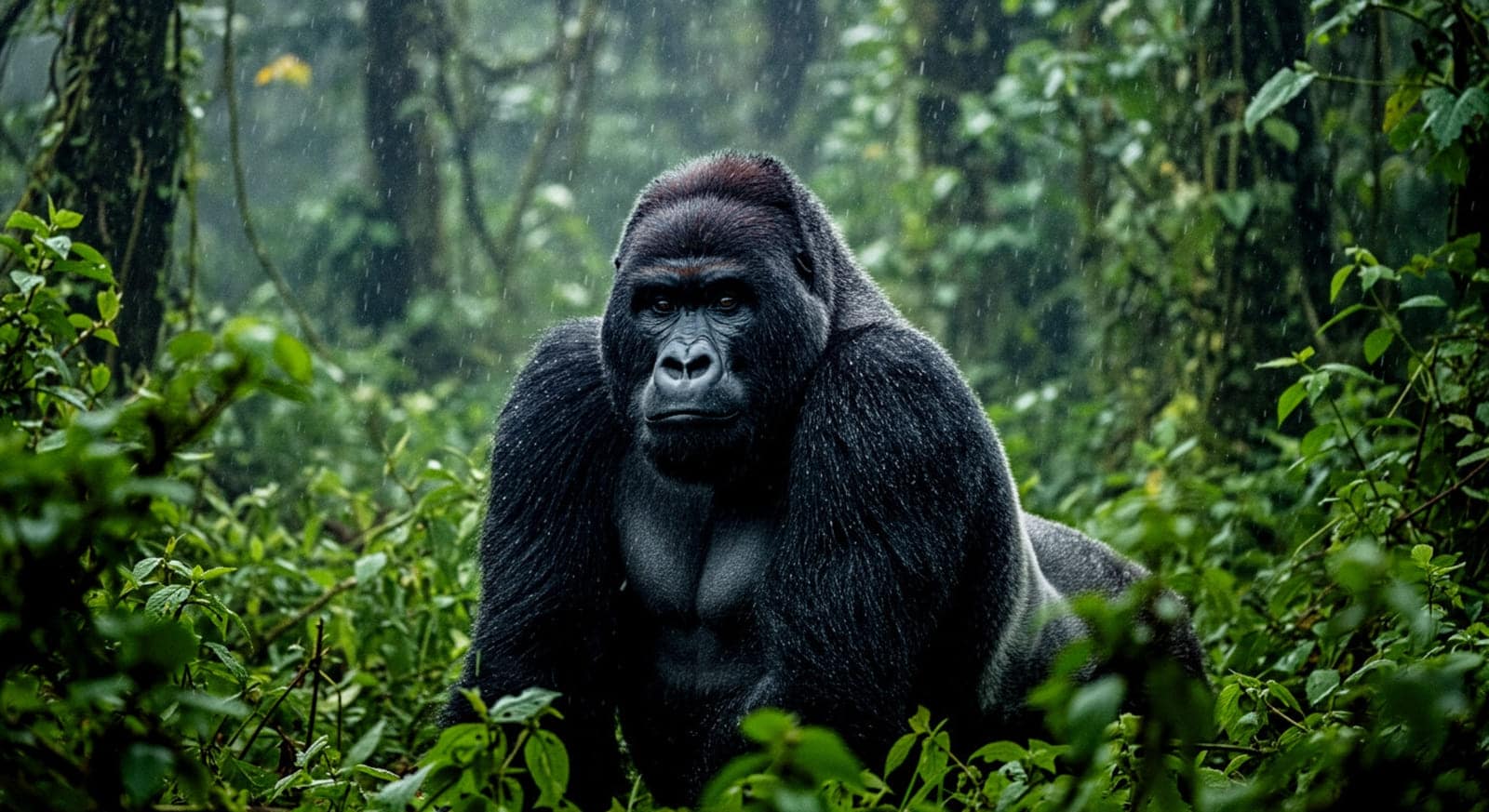
Discover the authentic heart of Africa in Uganda, combining adventure, nature and community projects that make a real difference. Experience the thrill of tracking mountain gorillas in Bwindi Impenetrable Forest, explore Queen Elizabeth National Park and discover the source of the Nile. Get to know traditional cultures in rural communities and contribute to local development through partnerships with NGOs.

Peru
Take a boat trip on the Amazon to the Pacaya Samiria Natural Reserve, and go deep into the primary rainforest with local guides. Go ecotourism and discover one of the least exploited areas in Peru while helping local communities.

Morocco
If you want to experience Morocco visiting places far from the typical tourist spots, from untraveled mountains to deserts where there is true silence, without missing the most visited attractions, click here and explore our routes. Kasbahs and Ksars, responsible tourism projects, cooking classes, dunes and beautiful accommodations, Amazigh culture, and treks through spectacular valleys. All our routes contribute to local projects that work to improve the living conditions of the local population.
Questions?
Fill out the form telling us what you want to do, and ask us anything you can think of for that traveling mind and we will contact you.
Remember that there is total flexibility of dates and we can help you create something customized.

Guatemala (Coming soon)
In Guatemala we climbed the Acatenango Volcano with Edwin, a local guide who took us to his house, where his family prepared breakfast and lunch for us on the first day.
We will soon create this and other routes!

Bolivia (coming soon)
You can tour the Salar de Uyuni and cross the Bolivian altiplano, walk along the crest of the mountains of the Valle de las Animas, or go down the Death Road knowing where your money is going and contributing to a real development of the local economy.
Coming soon!
WHY DO RESPONSIBLE, SUSTAINABLE & REGENERATIVE TOURISM?
Tourism is one of the world’s largest industries, accounting for 9% of global GDP. In 2019, before the pandemic, tourism accounted for $9.1 trillion in the world’s GDP, and last 2020, despite plummeting, it had a contribution of $4.7 trillion. During this year, there were almost 400 million tourist arrivals with at least one overnight stay. As you can imagine, all this volume of people on the move has a very positive impact on the global economy, but at the same time, a very negative impact on the planet. And here is the fact: it rarely has a direct impact on the local communities in the territories, especially in the case of tourism to developing countries. According to the United Nations Global Report Adventure study, for every $100 that a tourist from a developed country leaves in a developing country he or she visits, only $5 goes into that country’s economy. This is one of the reasons why Trip to Help exists. If we know the impact that our travels have, and we are aware of how this industry works, we believe that nowadays, if we exercise the privilege of traveling, we should do it with awareness, and contributing to the place where we go. For us, there is no other possible way to do it.
Trip to Help is a platform where you can find sustainable and supportive travel experiences. Ecotourism routes, solidarity and sustainable tourism, or travel with impact. The objective is to contribute, to cooperate, to contribute to the places we visit, and to choose to do so hand in hand with the local community. We offer you experiences with local guides, but not only that. We don’t stay in that layer. At Trip to Help, the local community is at the center, they are responsible for designing the experiences, we build them with them. They are also the guides, but above all, they are the ones who receive 80% of what you invest in your trip. In other words, the local community is involved in the entire value chain.
If the biggest negative impact of tourism is on the local population and the natural ecosystem, why not start changing it? Start building your trips in a conscious way. Don’t think about where you want to go, book a flight, and book a hotel. Think about the communities in the country where you are going, think about the types of accommodations you can choose and select those that are sustainable and respectful of nature, or those that are managed entirely by the community; prioritize activities or routes that are organized by locals; and also look for how you can contribute with your experience. Don’t give up incredible experiences. Find amazing experiences that are also authentic. And you return home knowing that what you have experienced has contributed to you, and to the community you have been with, as well.
That is what sustainable tourism is all about. It is to take care of the ecosystems we visit, understanding the ecosystem as a set of interconnected resources, which are needed to maintain the conditions of life, in all its forms, over time. In each ecosystem, in addition to flora, fauna, water, forests, valleys or steppes as examples of different possible habitats, we have human beings. People are part of the ecosystems in which we live, we are not alien entities. When we talk about sustainability, therefore, we are not only talking about the environment, we are also talking about the socio-economic, cultural and political angles. Trip to Help works to promote a tourism model that takes sustainability into account at all levels.
Sustainable tourism, but where? For now we offer experiences in Tanzania, Kenya, and Peru, although we are working on other destinations such as Morocco, Guatemala to soon have more routes with impact. Did you know that Peru has reached the sad figure of having 30% of its population living in poverty? It has increased 10 points in 2020. More than 3 million people are unable to meet their basic needs, and although there is urban and rural poverty, most of it is centered in rural areas. In particular, the jungle area is one of the most affected. This is why we collaborate with a guide from the Yanira community in the Peruvian Amazon. We want you to discover the reality in which he has lived all his life, his community and of course, learn with him many aspects about life in the jungle. You will learn about the types of plants, trees, insects, reptiles and mammals that live there, and with your experience, you will contribute to the conservation of this area, and also to the local community.
In Tanzania, we offer you the possibility to live a brutal experience, safari or immersions in the Masai community, but with a solidarity return. All our experiences are designed by an NGO in Momella, Arusha, so any activity you do, from going to the Serengeti to see lions, giraffes and elephants, to discovering the homes and daily life of the Masai community, will be coordinated by them. And not only that, they will receive 80% of the investment you have made in your trip, to continue creating schools and educational programs, medical centers or vocational training programs. Did you know that Tanzania is, according to 2019 data, ranked 163rd in the Human Development Index? Its inhabitants are among the poorest people on the planet, and, according to Oxfam InternationalThe standard of living of the poorest segment of the population (10%) is declining year after year, despite economic growth, as the gap between the richest and the poorest widens. That is why at Trip to Help we want to focus on precisely this: to generate community-based tourism, a regenerative tourism that contributes to the development of communities and does not leave most of the profits in the hands of large tourism companies, European or international travel agencies or unethical local agents. The investment you make in your trip to Tanzania, in this case stays in Momella, in the Arusha region.